“Shankar Nama” pays homage to legendary dancer Uday Shankar at Jagat Mukherjee Park
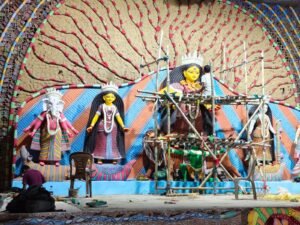
Jagat Mukherjee Park Durga Puja pays homage to legendary dancer Uday Shankar with the theme “Shankar Nama”.
“My aim is not to revive the past,
But to create anew.”
-Uday Shankar
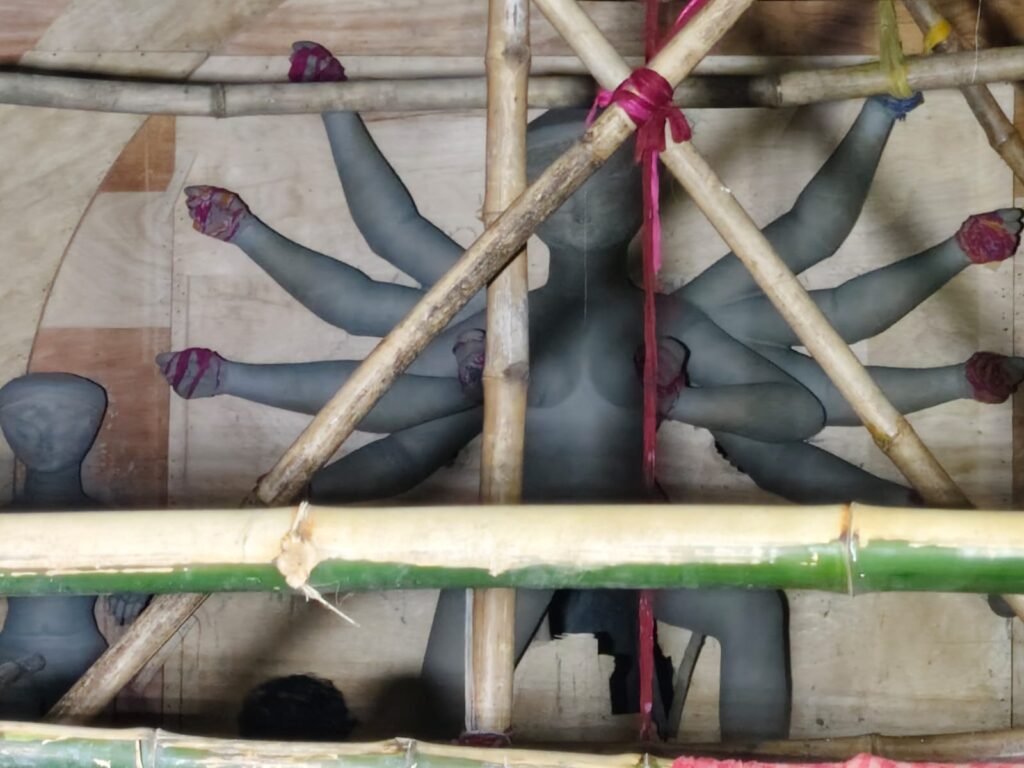
Durga Puja celebrations at Jagat Mukherjee Park will pay tribute to Indian classical dancer Uday Shankar on its 90th edition. Durga Puja celebrations at Jagat Mukherjee Park Sarbojonin is known for introducing theme pujas in Kolkata. On its 90th edition, the Puja organisers have selected the theme “Shankar Nama” to commemorate the dancing genius. Pandit Uday Shankar, also known as the father of Indian modern dance, is celebrated across the globe for blending European techniques with Indian tradition and taking the fusion form of dance to a global audience. This year, the puja planners have identified Uday Shankar’s life story as their theme for celebration.
Theme and Décor:
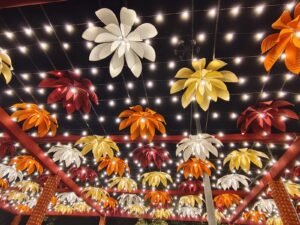
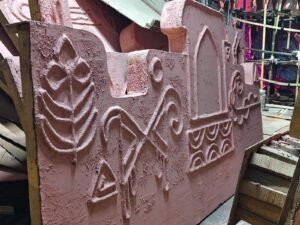
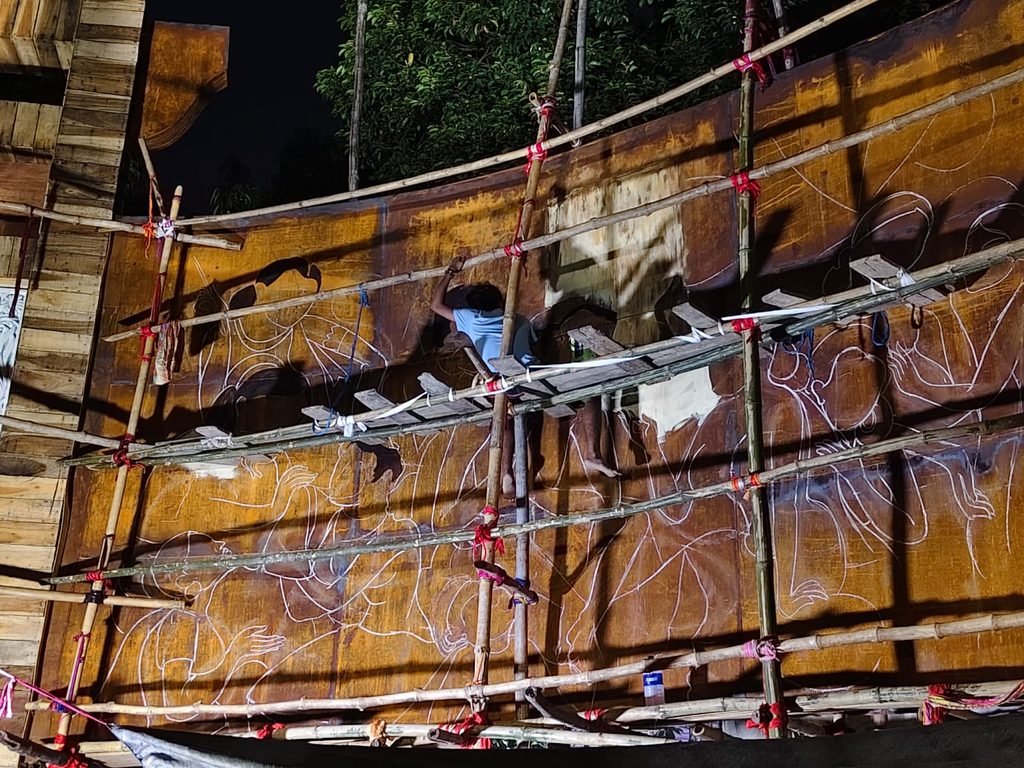
For the first time on Uday Shankar’s 125th Birth Anniversary year, Jagat Mukherjee Park commemorates the legendary dancer through the Durga Puja theme “Shankar Nama”. Artist Avijit Ghatak is engaged in transforming the thought into a presentation in which visitors will delve into a journey of the legendary classical Indian canvas through the works of Uday Shankar. The theme on Pandit Uday Shankar and Kalpana will tell the tale of one of the pioneers and foremost exponents of modern Indian dance. The entire pandal is decorated in a way to recreate the dancing aura of the yesteryear artist. The pandal unfolds through presentations of the forgotten skills and lost form of Indian temple dance art to the visitors. The attempt to bring alive Uday Shankar’s dancing spirit will be further projected through live presentation. The visitors will be introduced to Shankar’s imagination and will get a glimpse of his extraordinary creative universe. “We sincerely hope that our endeavour will resonate with both the discerning connoisseur and the everyday visitor, and that our humble offering will be appreciated by all.”
Art and the Artist:
Taking influence from Classical Indian art and painting, Uday Shankar created a unique theme and performed with Anna Pavlova in ballets. He danced not just with his body but with his soul, and in doing so, he gave India a new voice in the language of dance. Pandit Uday Shankar’s daughter, eminent artist Smt Mamata Shankar, celebrated for her exceptional contribution in the field of art and culture, has shared her thoughts on this idea and extended her support to the organisers. From an idea to expression in a classic way, the artists contribution in Indian dance heritage will be celebrated during the puja days.
Pandit Uday Shankar lived to delineate a legacy of Indian cultural heritage around the world, and today it is sometimes debated that his art forms in Indian dance are a forgotten legacy. Shankar’s free spirit in art expressed through vivid dancing forms will be told through the journey of re-living art and craftsmanship in one of the most celebrated public art forms in Durga Puja theme. His art came to life from an unusual meeting of different worlds of culture, tradition and heritage art forms, such as painting and dance, Indian mythology and modern theatre, temple dance and sculpture, folk traditions and classical forms. His works express a journey through a heritage canvas where East meets West and are conveyed on stage and in film through adaptation of theatrical techniques.
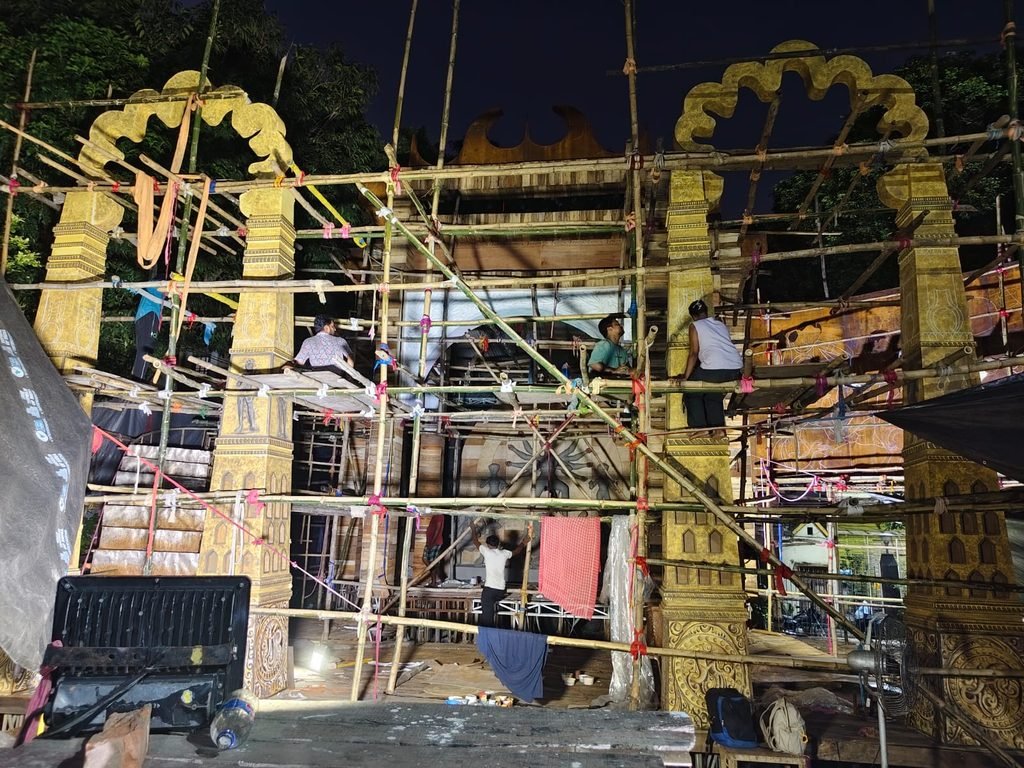
The quest for innovative themes therefore paves the way to celebrate legendary contributions in the art and cultural domain of Indian heritage. And this year, visitors will be exposed to the Indian classical dance heritage through the theme “Shankar Nama”.
Light, costume, music, and classical gestures turned into his signature style, and the coordinated movement became part of a single visual composition. A new language was born, and the theme here will present the artist’s expression in the finest manner.
The experience for the visitors will no longer remain a quiet classical story; “Shankar Nama” is more than saving or reliving the dancer’s life and work; it culminates in the way in which traditional art forms may be carried forward and given another life through meaningful celebrations, just as Panditji expressed, “living heritage”, and artistic inheritance.